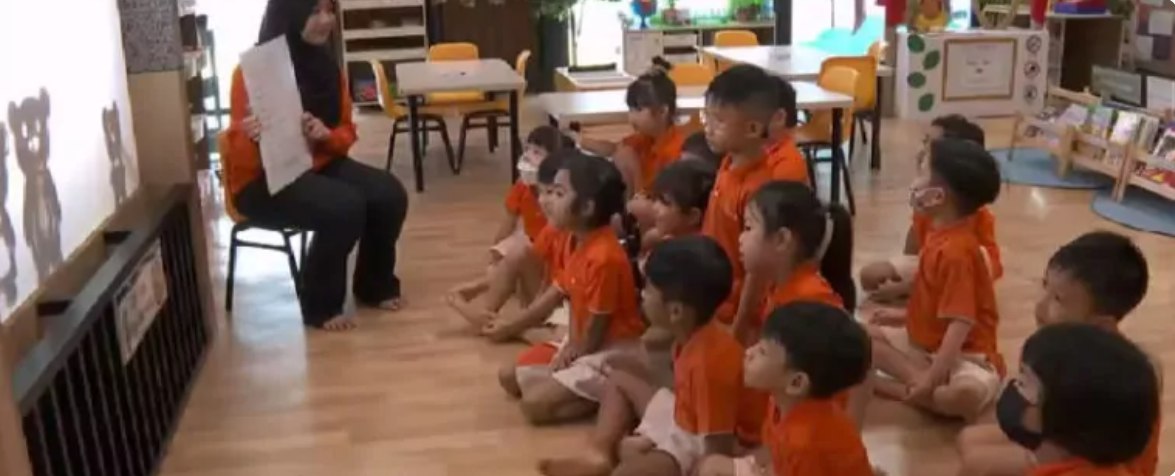
What Great Communication Looks Like In Preschool Singapore Each Week
Parents want to know what happens during their child’s day. Strong communication between educators and families builds trust and helps children thrive. When you search for a preschool in Singapore, understanding how they share information should be a key factor in your decision.
Daily Updates That Actually Matter
Quality preschools send home useful information each day. These updates go beyond generic statements about eating and sleeping. They include specific moments that capture your child’s learning and social growth.
A good daily report mentions what activities your child enjoyed. It notes who they played with and what made them laugh. Teachers might share a funny comment or describe how your child solved a problem during play. These details help you continue conversations at home.
Photos and short videos bring the day to life. Seeing your child paint, build with blocks, or share snacks with friends gives you a window into their world. The right preschool in Singapore uses secure apps or platforms to share these moments quickly and safely.
Weekly Learning Plans That Keep You Connected
Parents appreciate knowing what their children will learn each week. Clear learning plans outline themes, activities, and skills that teachers will focus on. This information helps families support learning at home.
A weekly overview might explain that children will explore water through sensory play and science experiments. It could mention new songs they’ll learn or books they’ll read together. When you understand the curriculum, you can ask better questions and extend learning beyond the classroom.
Quality schools also explain why certain activities matter. They connect simple play experiences to important development areas. Parents learn that stacking blocks builds spatial awareness and that pretend play develops language skills.
Parent-Teacher Communication Channels
Multiple ways to reach teachers matter for busy families. The right preschool in Singapore offers various communication options that fit different schedules and preferences.
Digital messaging works well for quick questions or updates. Some families prefer brief morning conversations during drop-off. Regular email updates suit parents who want detailed information to read at their own pace.
Teachers should respond to messages within a reasonable timeframe. While instant replies aren’t realistic, parents shouldn’t wait days for answers to simple questions. Clear expectations about response times prevent frustration on both sides.
Making Time for Deeper Conversations
Quick daily exchanges don’t replace meaningful discussions about your child’s progress. Scheduled conferences give parents and teachers dedicated time to talk.
These meetings should happen at least twice a year. Teachers prepare observations and examples of your child’s work. They discuss strengths, areas for growth, and ways families can support development at home.
Good teachers ask about your child’s interests and behaviour at home. They want to understand the whole child, not just what they observe at school. This two-way conversation creates a complete picture.
Involving Families in School Life
Communication extends beyond reports and meetings. Preschools that value partnership invite families to participate in meaningful ways.
Regular newsletters share school news, upcoming events, and helpful parenting resources. They celebrate children’s achievements and highlight learning milestones. Some schools include columns where teachers explain their teaching approach or answer common questions.
Invitations to special events let parents see their children in the school environment. Morning teas, cultural celebrations, or parent workshops build community. These gatherings help families connect with teachers and other parents.
Handling Concerns and Challenges
Problems arise in every child’s early education journey. How schools address concerns reveals their commitment to partnership.
Teachers should welcome questions and approach concerns with openness. They listen carefully, share their observations, and work with families to find solutions. Quick communication about issues prevents small problems from growing.
When choosing a preschool in Singapore, ask how they handle difficult conversations. Schools with strong communication practices have clear processes for addressing parent concerns. They see families as partners in solving problems, not obstacles to avoid.
Clear, consistent communication transforms the preschool experience for children and families. It builds trust, reduces anxiety, and helps children succeed. Parents who feel informed and included become active partners in their child’s education. This partnership creates the foundation for lifelong learning.


Related Posts


College Tutoring: A Path to Academic Success